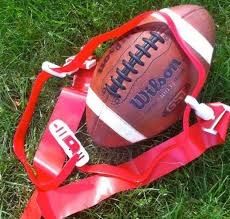
Life Skills Kids Learn From Youth Flag Football | Unleashed Flag
7 Life Skills Kids Learn From Playing Flag Football

When parents sign their kids up for sports, they usually hope for exercise, friendships, and fun. What they may not expect is how quickly sports can shape character.
Flag football is especially powerful because it blends teamwork, strategy, and personal accountability. Here are seven life skills young athletes often develop through the game.
1. Communication
Success on the field depends on players talking to each other. Quarterbacks call plays, defenders warn teammates about motion, and coaches rely on players to ask questions. Kids who communicate clearly during games often become more confident speakers in school and social situations.
2. Accountability
In flag football, every position matters. If one player misses an assignment, the play breaks down. That reality teaches kids to own their role and prepare each week. Learning responsibility in a team setting builds habits that carry into academics and future careers.
3. Resilience
No season is perfect. Teams lose games, drop passes, and miss opportunities. Flag football helps kids experience setbacks in a supportive environment. Over time, they learn how to recover, adjust, and keep competing — a skill psychologists consistently link to long-term success.
4. Strategic Thinking
Flag football isn’t just running fast. Players must recognize formations, anticipate routes, and make split-second decisions. That mental engagement strengthens problem-solving ability. Research on youth athletics suggests strategy-based sports can support cognitive development alongside physical growth.
5. Leadership
Leadership doesn’t always mean being the loudest voice. Some kids lead by encouraging teammates, others by staying focused in tough moments. Flag football gives young athletes multiple chances to step up and guide their team.
6. Discipline
Practices require focus. Learning plays, remembering positions, and showing up on time all reinforce consistency. Kids quickly discover that preparation affects performance. That connection helps them understand why effort matters.
7. Respect
Sports teach respect for coaches, officials, opponents, and teammates. In flag football, where sportsmanship is emphasized, players learn that competition doesn’t mean hostility. Respectful athletes build stronger relationships both on and off the field.
Beyond these seven lessons, there’s something else parents notice: confidence.
Kids who participate in organized sports often feel more comfortable trying new challenges. Whether it’s presenting in class, joining a club, or making new friends, the experience of performing in front of others builds self-belief.
That confidence is one of the biggest gifts youth sports can provide.
Flag football also promotes inclusion. Because the sport values speed, awareness, and teamwork, many types of athletes can shine. Kids who might feel overlooked elsewhere often discover their strengths here.
At Unleashed Flag, programs focus on development as much as competition. Coaches guide players through fundamentals while encouraging teamwork and positive attitudes. That balance helps ensure kids walk away with both memories and meaningful skills.
If you’re searching for an activity that builds more than athletic ability, flag football is worth considering. The lessons extend well beyond the field, shaping habits that can last a lifetime.
